Pre nursery activities help children aged 2 to 3 learn through play, movement and simple paper activities. This page gives a plan with activities for each area of early development, plus free printable worksheets for pre-writing, shapes, numbers, letters and cutting. Short, playful sessions are the key, and the maker above builds tracing lines for first pencil skills.
Quick answer: Pre nursery activities for ages 2 to 3 should be short, playful and hands-on: scribbling, tracing big shapes, sorting, singing, painting and moving. Worksheets can be a small part of the day. This page has 80+ free printable pre nursery worksheets plus activity ideas and a 10-week plan. Updated October 2026.
Pre nursery worksheets samples
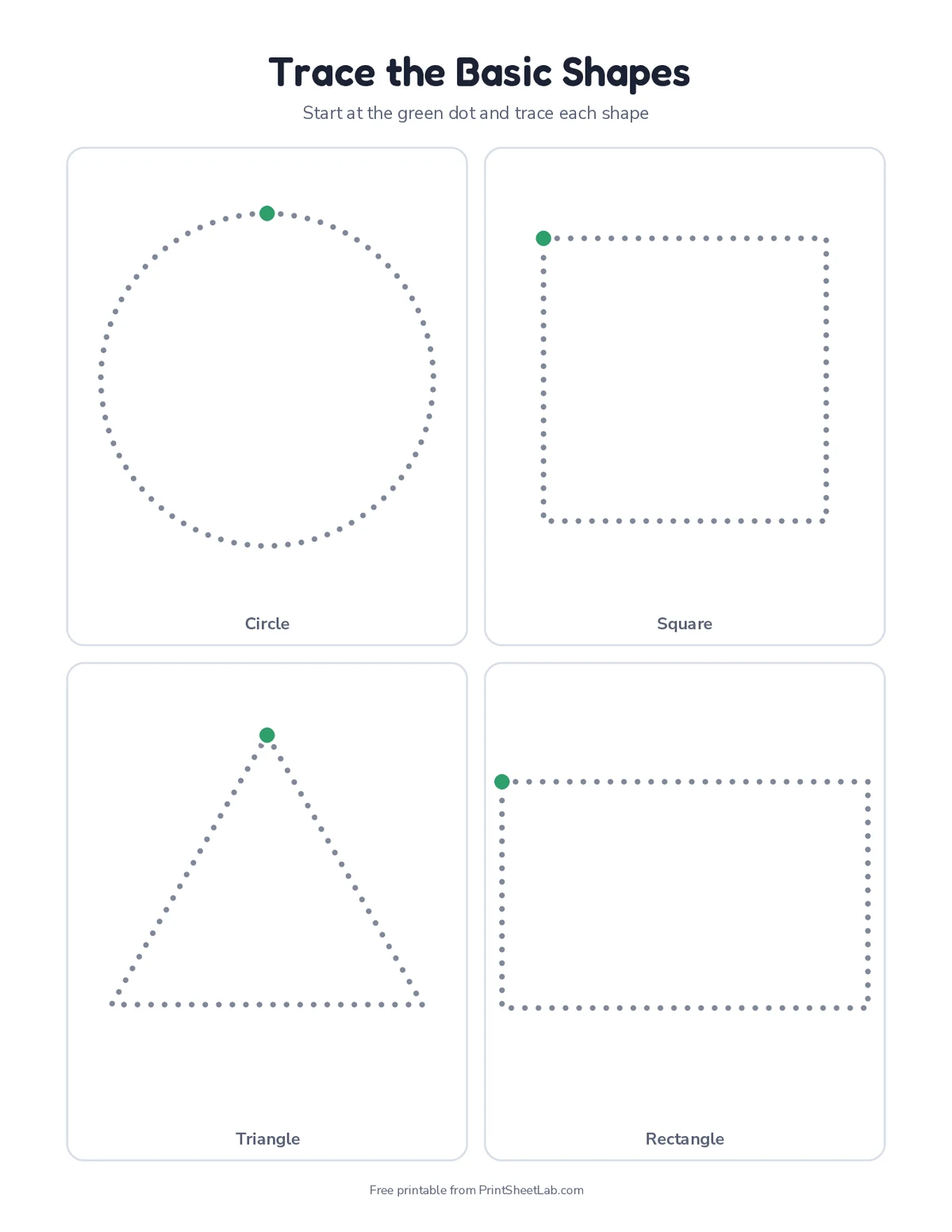
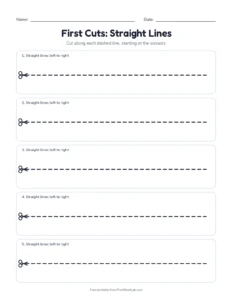
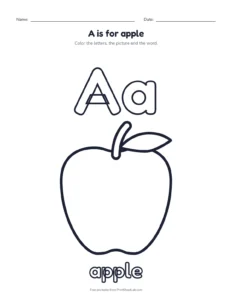
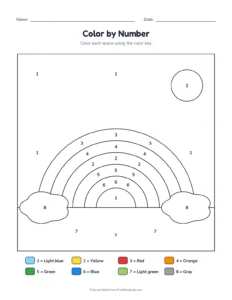
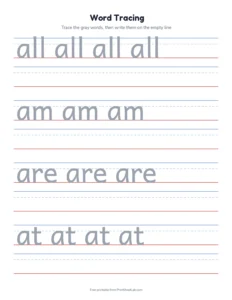
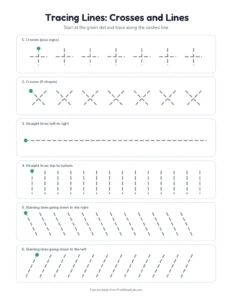
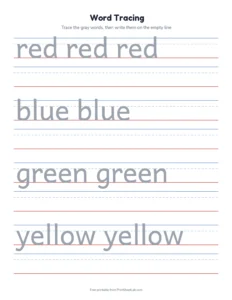
Four of the printable pages. The full list for ages 2 to 5 is below.
Free printable pre nursery worksheets
These are the ready-to-print pre nursery and preschool worksheets, from tracing to coloring and counting.
80 free preschool worksheets for preschool across 7 topics, each with an answer key.
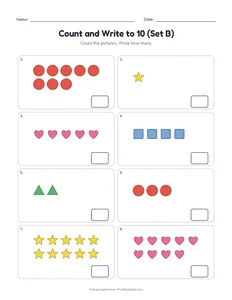
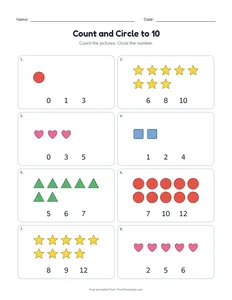
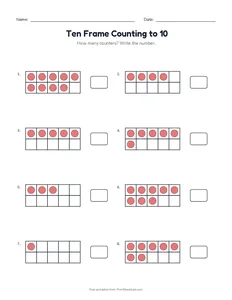
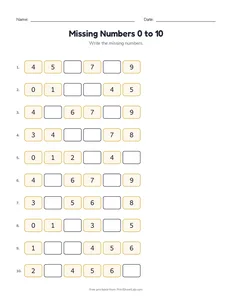
Counting worksheets for preschool
All counting worksheets →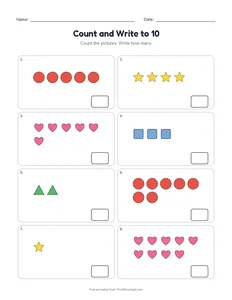
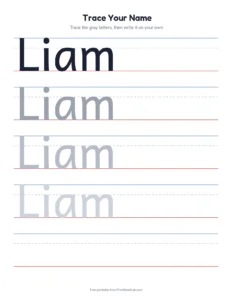
Name tracing: preschool worksheets for preschool
All name tracing: preschool worksheets →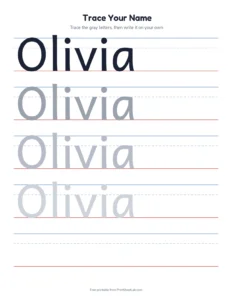
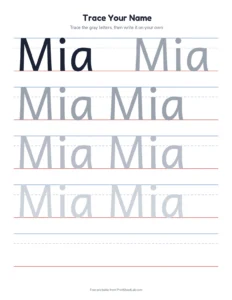
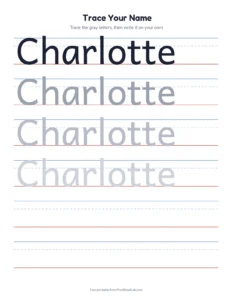
Shape tracing worksheets for preschool
All shape tracing worksheets →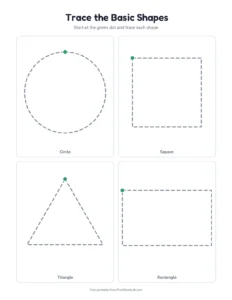
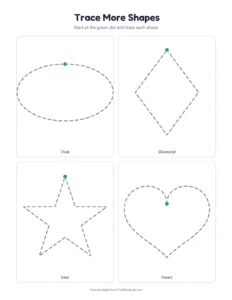
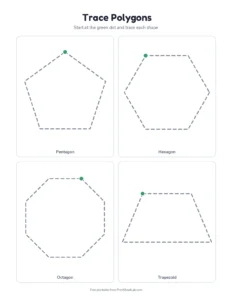
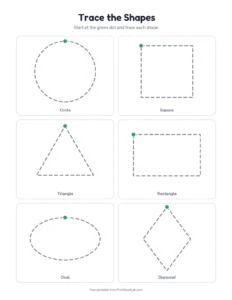
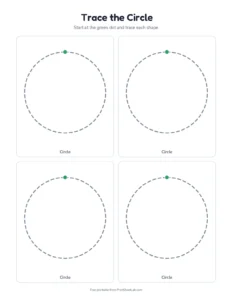
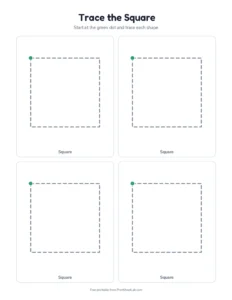
Alphabet coloring pages worksheets for preschool
All alphabet coloring pages worksheets →Letter A coloring page: A is for apple
Letter B coloring page: B is for ball
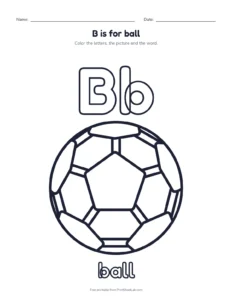
Letter C coloring page: C is for cat
Letter D coloring page: D is for dog
Letter E coloring page: E is for egg
Letter F coloring page: F is for fish
See 21 more alphabet coloring pages worksheets for preschool
Color by number worksheets for preschool
All color by number worksheets →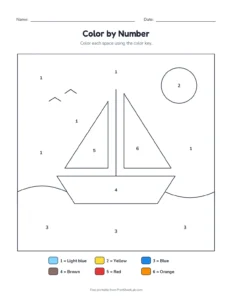

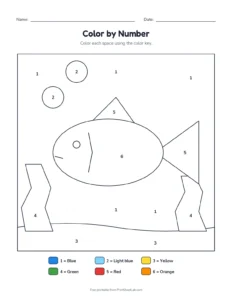
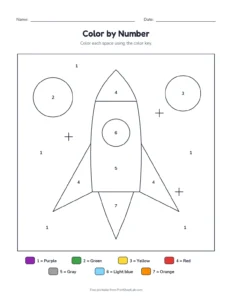
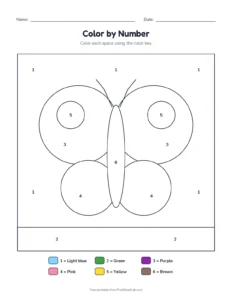
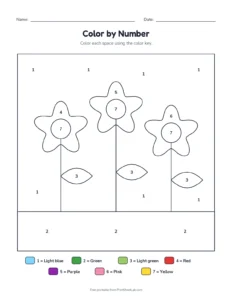
Preschool Worksheets worksheets for preschool
All preschool worksheets →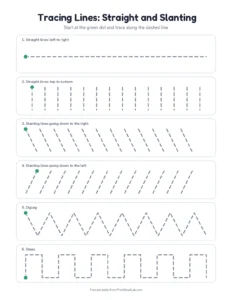
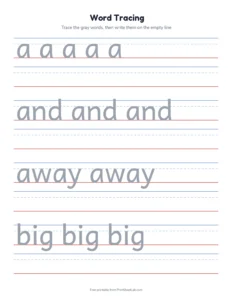
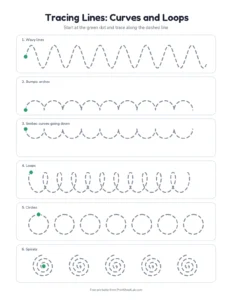
Number Tracing Worksheets worksheets for preschool
All number tracing worksheets →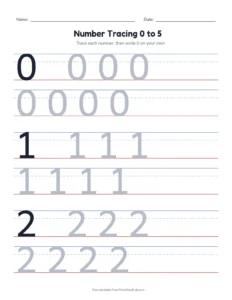
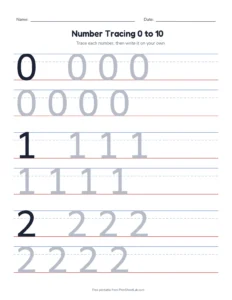
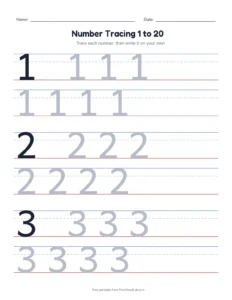
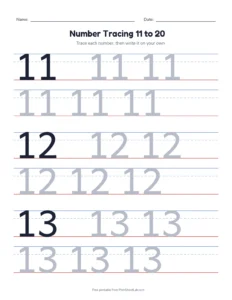
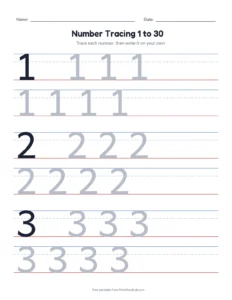
Pre nursery activities by area of learning
Early learning covers more than letters and numbers. A balanced plan includes these areas, each with simple activities that need little equipment:
| Area | Skill | Activity | Materials |
|---|---|---|---|
| Fine motor | Hand strength and grip | Tear paper, squeeze sponges, use tongs to move pom-poms | Paper, sponge, tongs |
| Pre-writing | Lines and shapes | Trace straight lines and circles with a crayon | Tracing worksheets |
| Cutting | Scissor skills | Snip strips of paper, then straight lines | Child scissors, paper |
| Math | Counting and sorting | Count snacks, sort blocks by color | Snacks, blocks |
| Language | Words and listening | Sing songs, share picture books, name objects | Books, toys |
| Art | Color and creativity | Finger paint, color big pictures | Paint, crayons |
| Movement | Large muscles | Dance, jump, play hopscotch | Open space |
| Social | Taking turns and sharing | Roll a ball to a friend, play simple games | Ball, toys |
Activities for 2 year olds: a 10-week theme plan
Themes keep activities connected and fun. Repeat favorites, and drop anything that does not interest your child:
| Week | Theme | Main activities |
|---|---|---|
| 1 | Me and my family | Draw a family picture, name body parts, sing songs |
| 2 | Colors | Color hunt, painting, color sorting |
| 3 | Shapes | Trace circles and squares, shape sorter, cut paper shapes |
| 4 | Animals | Animal sounds, color animal pictures, farm play |
| 5 | Fruits and food | Count fruit, play shop, make a fruit salad |
| 6 | Numbers 1 to 5 | Count objects, trace numbers, number songs |
| 7 | Letters | Meet a few letters, trace and color them |
| 8 | Weather | Rain painting, weather chart, puddle play |
| 9 | Transport | Toy cars, sort vehicles, draw roads |
| 10 | Review and play | Favorite activities and a mini show |
A sample day of nursery activities
Toddlers thrive on routine. This sample day mixes active play with short table time. Adjust it to fit your child’s energy and naps:
| Time | Activity | Why |
|---|---|---|
| 10 min | Welcome song and movement | Starts the day with energy |
| 15 min | Free play with blocks or toys | Builds imagination and social skills |
| 10 min | Circle time: story or songs | Builds listening and language |
| 15 min | A table activity: tracing, cutting or coloring | Builds fine motor skills |
| 15 min | Snack and talk | Practices manners and conversation |
| 20 min | Outdoor or active play | Uses large muscles |
Pre nursery worksheets: what to expect
At ages 2 to 3, children are still learning to hold a crayon. Expect scribbles at first, then lines and circles. Worksheets should have big pictures, bold lines and few tasks per page. Use them for five minutes at a time and always let the child lead. The CDC developmental milestones give a general idea of what children can do at each age, and children vary widely.
Try ten talking questions
These simple questions can be asked aloud at snack time or in the car. Praise any attempt.
| # | Problem | Answer |
|---|---|---|
| 1 | What do we call a circle with no corners? | Round |
| 2 | How many wheels does a car have? | 4 |
| 3 | What color is the sky on a sunny day? | Blue |
| 4 | What sound does a cow make? | Moo |
| 5 | How many eyes do you have? | 2 |
| 6 | What shape is a ball? | Sphere or round |
| 7 | Which is bigger, an elephant or a mouse? | Elephant |
| 8 | What do we use to cut paper? | Scissors |
| 9 | Which letter does apple start with? | A |
| 10 | Count: 1, 2, __ | 3 |
Pre nursery learning activities, playgroup activities and toddler learning activities
This page is also searched as pre nursery worksheets, pre nursery activities worksheets, activities for 2 year olds, nursery activities, pre nursery learning activities, playgroup activities and toddler learning activities. The printable pages above are free, for US Letter or A4, with no sign-up. For slightly older children, see preschool worksheets and preschool cutting practice.
Early learning vocabulary
Students answer questions faster when they know the words. These are the terms used on the worksheets and answer keys:
| Word | Meaning | Example |
|---|---|---|
| Fine motor skills | Small hand movements | Holding a crayon |
| Gross motor skills | Large body movements | Jumping, running |
| Pre-writing | Skills before writing letters | Lines and circles |
| Sensory play | Play using touch, sound and sight | Water, sand, play dough |
| Routine | A predictable order of activities | Circle time, snack |
| Scribbling | Early marks with a crayon | First drawing |
Common mistakes with pre nursery activities
| Mistake | Example | Fix |
|---|---|---|
| Expecting long attention | A child leaves after 3 minutes | Plan 5 to 10 minute activities and change often |
| Too much worksheet time | Frustration at the table | Mix paper activities with play and movement |
| Correcting every mistake | Child stops trying | Praise effort and model the correct way |
| Pushing writing too early | Tight grip and tears | Prefer scribbling, painting and playdough first |
| Skipping repetition | Moving on after one try | Repeat favorite activities, because toddlers learn by repeating |
How to use these pre nursery activities
Plan one or two table activities a day and fill the rest with play. Use the pre nursery worksheets with crayons and chunky pencils, and let your child scribble outside the lines. Offer a choice of two activities, since toddlers love to decide. Keep every session under ten minutes and finish on a positive note.
Use the pre nursery activities as a menu, not a checklist. A few repeated favorites each week are better than a long list tried once. Display finished work on the wall, talk about it with your child, and keep it in a folder to see progress over the months.
A weekly plan for pre nursery activities
| Day | Focus | Suggested block |
|---|---|---|
| Monday | Story, songs and a coloring page | 15 min |
| Tuesday | Sorting and counting game | 15 min |
| Wednesday | Tracing lines or shapes | 15 min |
| Thursday | Cutting or play dough | 15 min |
| Friday | Outdoor play and a free choice activity | 15 min |
| Weekly total | Five short sessions | 75 min |
Frequently asked questions
5 quick answers
Where can I download free pre nursery worksheets?
Open any worksheet in the Ready-to-print list on this page, choose US Letter or A4, then print or save the PDF. They are free and no account is needed.
What are good activities for 2 year olds?
Scribbling, play dough, sorting, singing, simple puzzles, painting and outdoor play. Keep each activity short.
What age is pre nursery?
Pre nursery usually means ages 2 to 3, before nursery school. Names and ages vary by country.
How long should activities last?
Five to ten minutes at a time. Toddlers need frequent changes.
Should toddlers use worksheets?
Occasionally, with big shapes and bold lines, but play, movement and talking matter more at this age.